
Unlocking creativity involves more than simply picking up a brush or viewing a painting; it’s about engaging with the deep and often hidden layers of thought and emotion that visual arts provoke. At the heart of this process lies a secret power, one that challenges traditional boundaries and fosters innovation.
Visual arts tap into the unique ability to convey complex ideas and emotions without the use of words. Unlike written or spoken language, visual arts depend on imagery and symbolism, allowing artists to express thoughts that might otherwise remain unarticulated. This capacity to evoke particular feelings or thoughts in viewers means that artists can communicate experiences and perspectives that are personal, yet universally understood.
One of the most profound impacts of engaging in visual arts is the opportunity for self-discovery. The act of creating art often serves as a mirror, reflecting the artist’s internal world. Through choices of color, form, and medium, artists explore their identity, confront fears, and celebrate personal triumphs. This journey of self-exploration not only benefits the creator but also invites the audience to engage in their own reflection, potentially prompting new insights into their perceptions and biases.
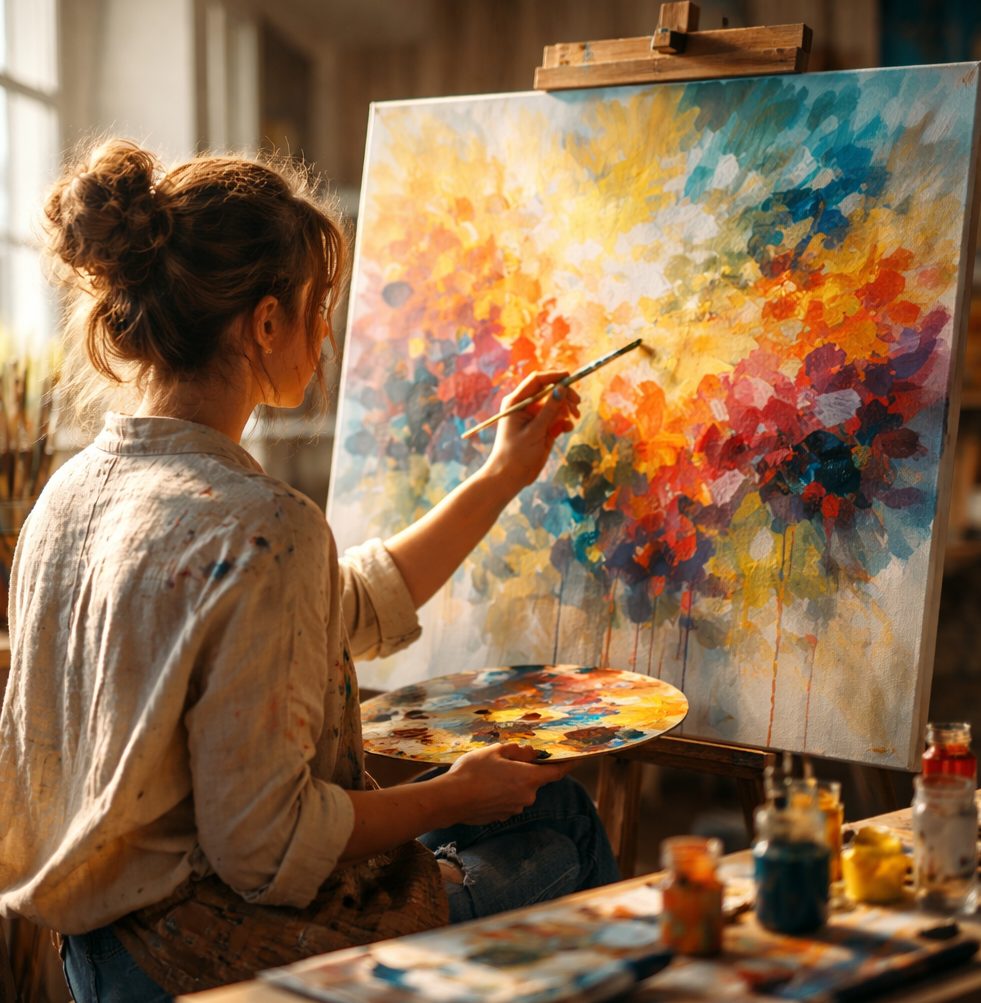
Moreover, visual arts have a transformative effect on cognitive abilities. Studies have shown that engaging with visual art can enhance problem-solving skills and improve brain connectivity. The process of interpreting visual pieces demands critical thinking, challenging the brain to perceive beyond superficial appearances and delve into deeper meanings. For viewers, this translates into improved empathy and a greater appreciation of diversity and complexity in everyday life.
The accessibility of visual arts plays a crucial role here. Art is everywhere, not confined to galleries or museums. Street art, digital creations, and community projects make art more approachable and inclusive. By democratizing art, entire communities can find their voice and express shared concerns or celebrations. In this way, art becomes a powerful tool for social change, challenging societal norms and encouraging dialogue on pressing issues.
Besides serving as a catalyst for personal and social transformation, visual arts significantly influence collaborations across disciplines. Architects, urban planners, technologists, and designers regularly draw inspiration from artistic concepts, using art to push the boundaries of their fields. Such interdisciplinary collaboration often leads to innovative solutions and breakthroughs, proving that art is not merely an aesthetic pursuit but an integral part of human progress.
Furthermore, the therapeutic potential of visual arts should not be underestimated. Artistic activities often provide relief from stress and anxiety, promoting mental well-being. By offering a meditative space, art helps individuals temporarily escape the chaos of daily life and achieve a state of mindfulness. This mental respite can be particularly beneficial in fast-paced, high-pressure environments.
In today’s digital age, the influence of visual arts extends beyond the traditional canvas. Technology has opened new avenues for artistic expression, with digital art and multimedia installations offering novel ways to engage audiences. Virtual reality and augmented reality experiences bring immersive art to life, challenging viewers to interact with art in dynamic ways that push the envelope of creativity.
By harnessing the secret power of visual arts, individuals and communities can unlock endless creative possibilities. As this journey unfolds, it becomes clear that art is not just an object of beauty but a vital process of exploration, innovation, and communication. The transformative potential of art lies in its ability to engage, challenge, and inspire—urging us to see the world and ourselves in new light.